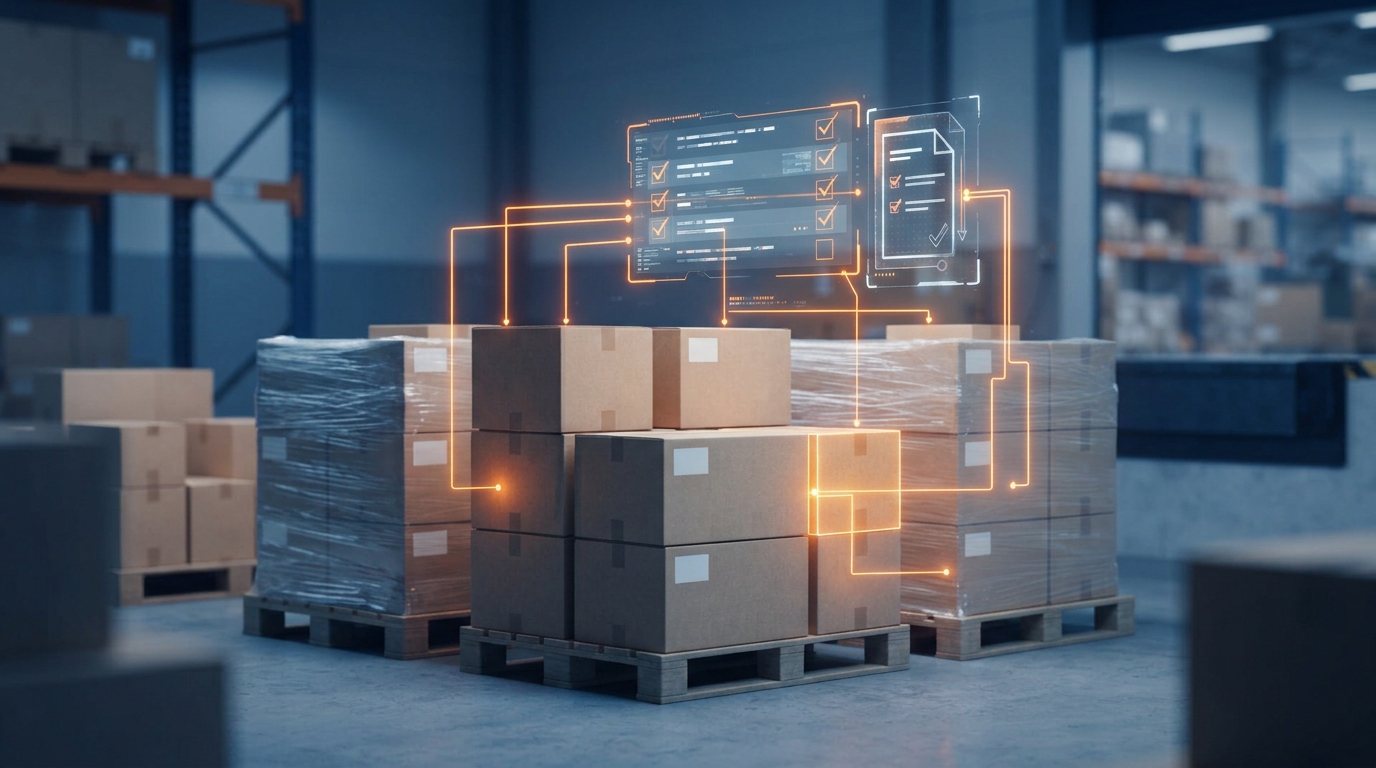

What a 3PL is, what it offers, how it charges and when it makes sense to hire one. And where the client-provider relationship usually gets stuck: data.
The acronym 3PL comes up in every conversation about outsourcing logistics, in logistics providers’ sales proposals and in procurement tenders. It stands for third-party logistics and describes the most common outsourcing model: a company hands its warehousing, order fulfilment and transport over to a specialist provider.
This guide explains what a 3PL is, which services it includes, how it usually charges, when it makes sense to hire one and what keeps the relationship working day to day. It also looks at the issue that causes the most friction between client and provider: the exchange of data and documents.
A 3PL is a logistics operator that runs several integrated logistics activities on behalf of its client and manages them as a single service. The term makes more sense on the full scale: in 1PL the company does its own logistics; in 2PL it hires individual services, such as a carrier; in 3PL it hands a block of linked processes to a third party; and in 4PL an integrator coordinates the whole chain, including other providers. We explain this in more detail in our guide to what a logistics operator is.
What sets a 3PL apart from a plain transport or storage provider is integration: the provider receives the goods, stores them, prepares orders, ships them and reports back on all of it, against agreed service levels.
The scope is negotiated in each contract, but a 3PL typically covers these services:
Some 3PLs specialise by channel (ecommerce, retail distribution, industrial B2B) and others by product type (food, pharma, dangerous goods). When choosing, specialisation usually matters more than size.
Understanding the pricing model avoids surprises on the first invoice. The price usually combines several items: storage (per pallet, per cubic metre or per location and period), handling (per receipt, per order line or per unit picked), transport (per shipment, per weight or per zone) and extra services such as labelling, returns or customs. On top of that come variable surcharges, such as fuel or express service fees.
The result is a monthly invoice with dozens or hundreds of lines. For the client, checking that every line matches a service actually delivered and the agreed rate is one of the most time-consuming admin tasks in the relationship. For the provider, getting it right means cross-checking data from its warehouse, its TMS and its own subcontractors’ invoices.
There is no fixed rule, but some situations tend to trigger the decision. The most common is growth: volume outgrows your own warehouse and expanding would require an investment that does not pay off. Another is seasonality, when demand peaks would force you to size resources that sit idle the rest of the year, and a third is geographic expansion, when you need to serve markets where you have no presence.
On the other hand, outsourcing makes less sense when logistics is part of what makes the product different, or when processes are so specific that the provider cannot standardise them. In those cases, a 2PL model, hiring transport only, is often a better fit.
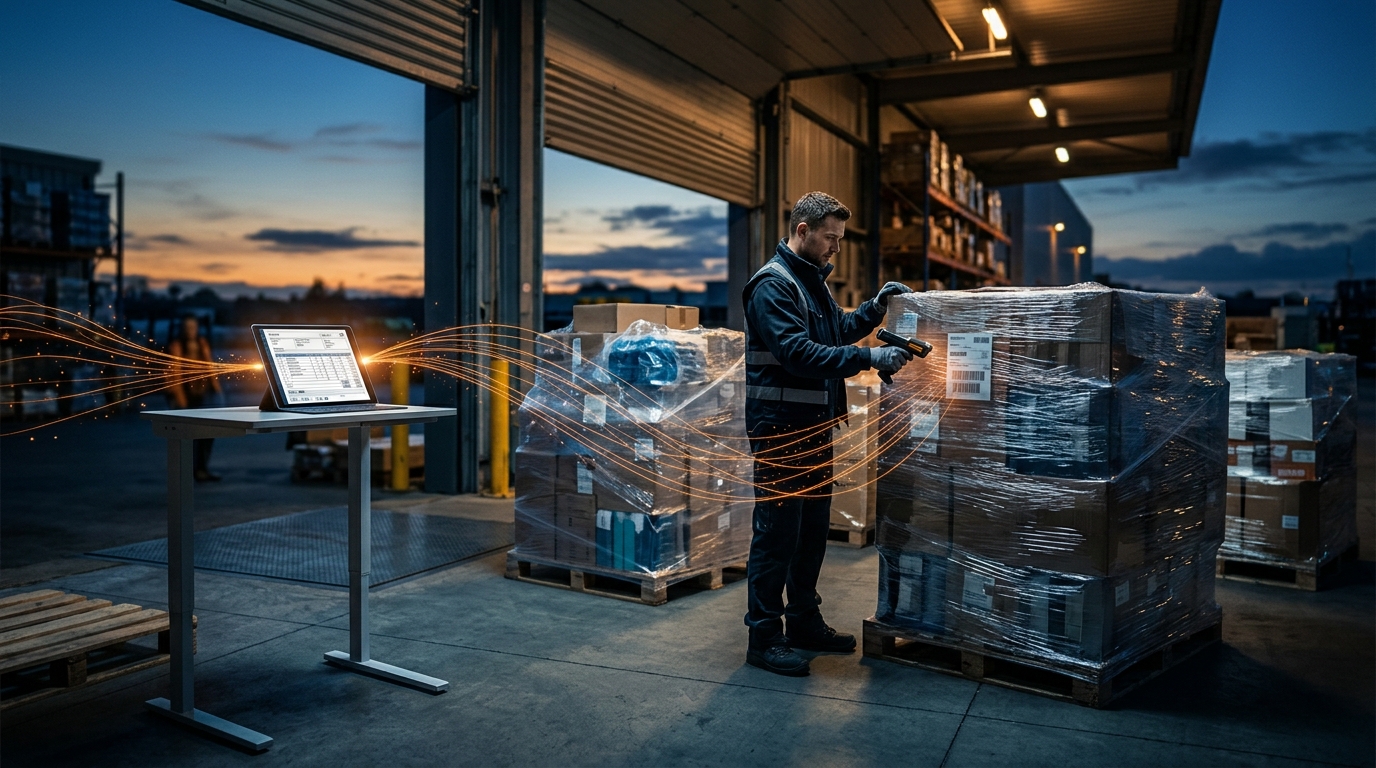
A 3PL relationship works only as well as the information flowing between the two systems. The client needs to send orders, forecasts and inbound notices; the provider needs to send back receipt confirmations, order statuses, inventory and invoices. When the client’s ERP and the provider’s system are integrated directly, via EDI or API, that flow is automatic.
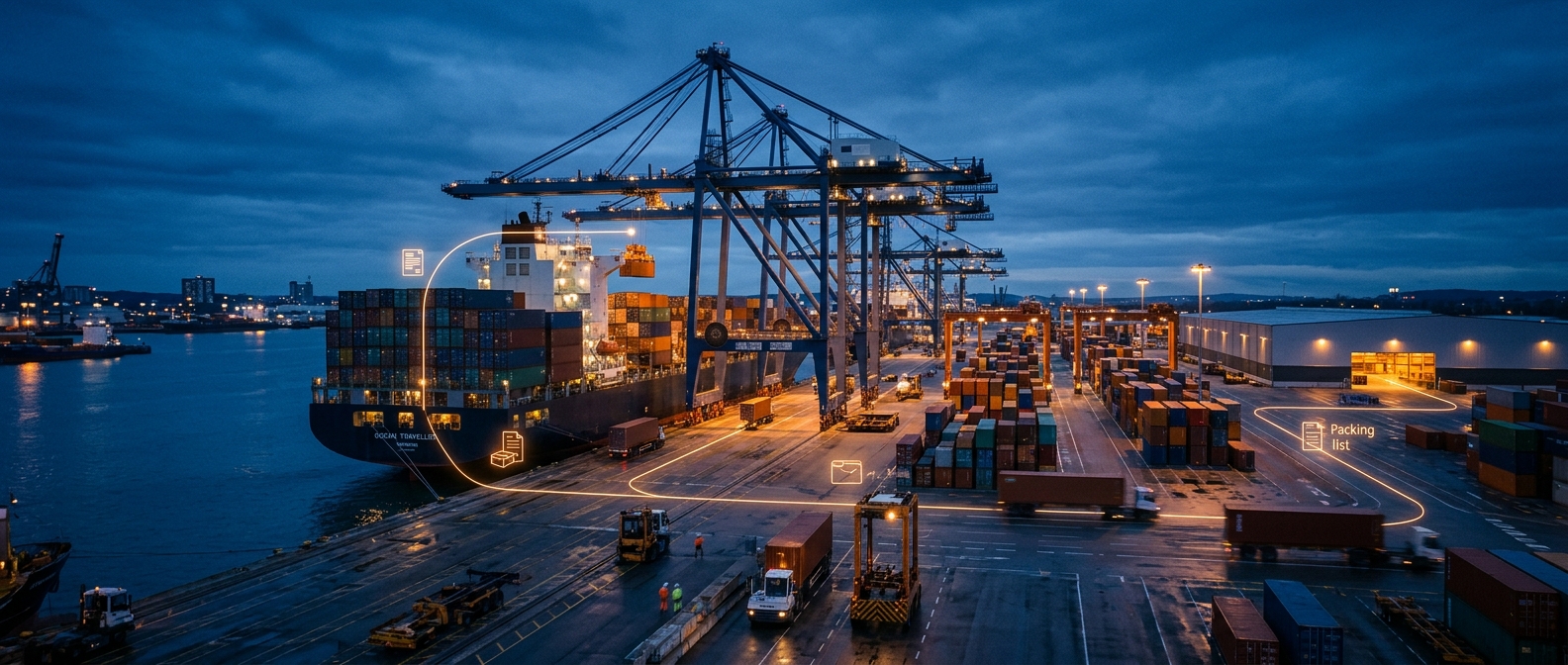
When they are not, which is the norm for SMEs and mid-sized providers, everything travels as PDFs, spreadsheets and emails. The 3PL receives orders in a different format from each client and types them into its system; the client receives stock reports that do not match its ERP and invoices it has to check line by line. Inventory errors and misapplied surcharges almost always start there. Regulation is also pushing towards structured data: under the EU eFTI regulation, authorities must accept transport information electronically from 9 July 2027, according to the European Commission.
A Barcelona company imports consumer electronics from Asia and works with a 3PL that receives the containers, stores the goods and distributes them to stores and online customers. Every month it receives an invoice with around 300 lines: pallets stored, receipts, orders picked, shipments by zone and surcharges.
In a manual process, someone in accounts exports the orders from the ERP to a spreadsheet, matches them against the invoice lines and checks every price against the contract. It takes two or three days and, even so, they only review a sample. When they find a discrepancy, they open a claim that the provider resolves weeks later.
With the invoice read automatically, every line is linked to its order or receipt, the price is compared with the agreed rate and only the mismatches go to review. The same mechanism lets the provider check, before issuing the invoice, that no billable service has slipped through.
80% less manual time in document processes automated with Kaiona.
Beyond price, these questions help anticipate how the relationship will work once the goods start moving:
The answers say a lot about whether the relationship will be managed with data or with emails.
Kaiona works on both sides of that relationship. For the provider, it automatically reads the orders, transport documents and invoices it receives from clients and suppliers (K-Scan) and feeds them into its system without retyping (K-Plug). For the importer, it reconciles 3PL invoices against orders and rates without intermediate spreadsheets, as we explain in our guide to automated invoice processing. Either way, without changing ERP.
If your team spends days every month reconciling invoices or retyping orders between client and provider, it is worth measuring how much of that work can be automated. We go into more detail on our pages for logistics operators and 3PLs and for importers.
Third-party logistics. It refers to a logistics operator that carries out several integrated activities on behalf of its client, such as warehousing, order fulfilment and transport.
A 2PL provides a specific service, such as transport or warehouse space, and the client coordinates the whole. A 3PL takes on a block of linked processes and manages them as a single service with agreed service levels.
A 3PL carries out logistics operations with its own or subcontracted resources. A 4PL coordinates the entire supply chain, including several 3PLs and carriers, and usually has no physical assets of its own.
It depends on volume, type of goods and services. Pricing usually combines storage per pallet or volume, handling per order or unit, transport per shipment or zone, extra services and variable surcharges such as fuel.
No, Kaiona is not a traditional SaaS. We don't sell you a generic platform that you have to adapt to, nor a monthly user license for your team to do the work.
Kaiona functions as a custom artificial intelligence and automation layer that connects directly with your current systems (ERPs, CRMs, document management). We handle the technical complexity so that you only see the results within your usual workflow.